


Luxembourg Spring Traditions: Imbolc, Carnival and Buergbrennen at the Threshold of Light

There are many things I love about our adopted home of Luxembourg. One is the way local traditions invite us to move with the subtle turning of the seasons. February, in particular, unfolds almost like a story, carrying us from candlelight to costume to bonfire.
Across this small country, which I now call home, ancient Celtic traditions, Christian feast days and community Spring festivals weave together. What emerges is a beautiful mix of community building and cultural heritage, alongside a powerful reminder of the wisdom of traditional seasonal rhythms to nurture wellbeing.

Imbolc and St Brigid: Celtic Roots of Early Spring
February begins quietly.
On 1st February, in the old Celtic calendar, comes Imbolc. One of the earliest Spring festivals in Ireland and Scotland, Imbolc marked the beginning of lambing season. Ewes came into milk. The land, though still cold, was no longer fully asleep. The name itself is thought to be linked to milk and to the womb. The air holds the promise of potentiality.
Imbolc is traditionally associated with Brigid, later honoured as Saint Brigid. Long before sainthood, she was keeper of the hearth, protector of poets and smiths, and a healer. Fire and water both belonged to her. The steady flame that warms a home. The quiet well that restores strength.
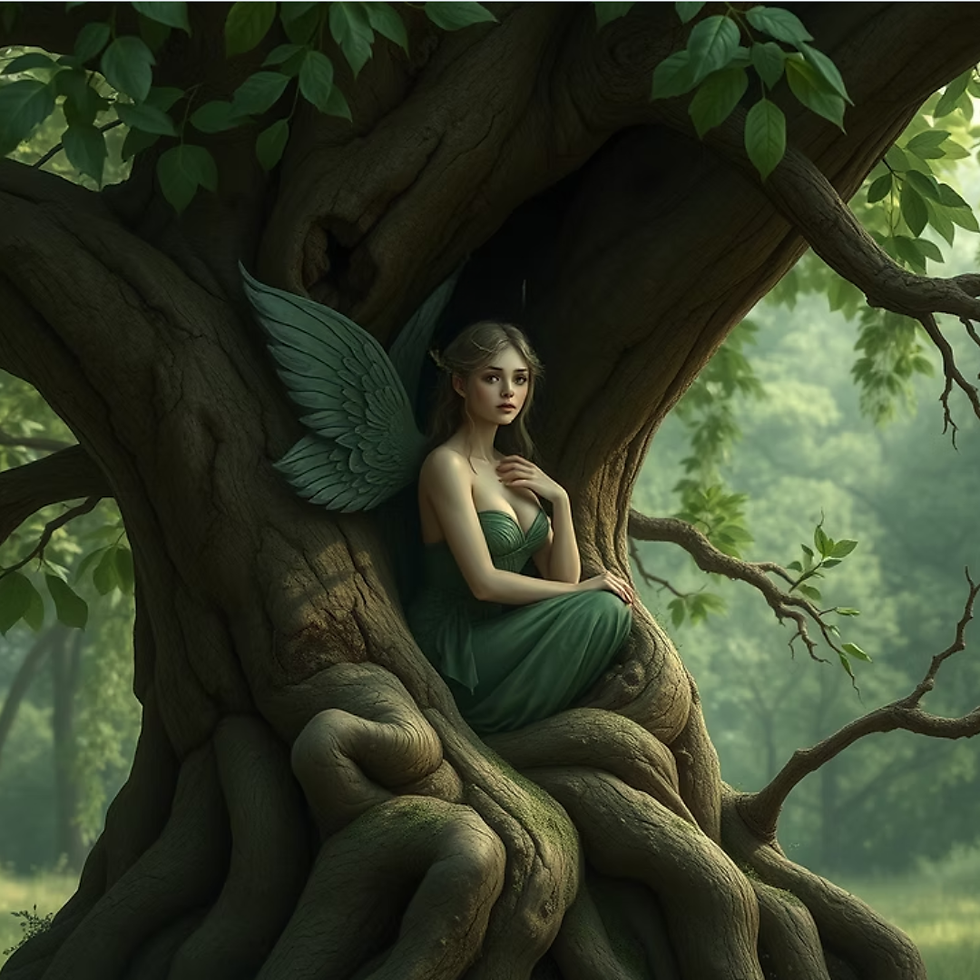
There is something distinctly feminine in this time of year. Gestation rather than bloom. Preparation rather than display. Growth happening mostly out of sight. In terms of seasonal wellbeing, Imbolc reminds us that renewal does not begin with outward achievement. It begins with quiet tending.

Candlemas in Luxembourg: Liichtmëssdag and the Return of Light
On 2nd February comes Candlemas, or Liichtmëssdag in Luxembourg. In the Christian calendar this marks the presentation of Jesus at the temple and celebrates light returning to the world. Candles are blessed. Light is named and honoured.
Across Luxembourg, children carry handmade lanterns through the streets. It is one of the most charming Luxembourg traditions of the year. I remember making Liichtmëssdag lanterns with my boys when they were small with tissue paper and glue - dragons and ships carefully assembled at the kitchen table. These days the lanterns are lit by little electric lights, bright and creative, carried proudly through the dusk.
Although that time of life has passed for me. The seasons do turn quickly! Still, I always have treats at the ready and hope to welcome visitors and offer sweets in return for the traditional song.
Carnival in Luxembourg: Fuesent Before Lent
From Candlemas onwards, Luxembourg moves into Carnival season, known locally as Fuesent. Historically, Carnival takes place before Lent and forms part of a wider European tradition of feasting and celebration before a period of reflection and restraint.
Villages across Luxembourg host lively processions where agricultural vehicles become carnival floats. Tractors pull decorated trailers filled with costumed revellers who throw sweets into enthusiastic crowds lining the streets.
For many years, this was my boys’ favourite celebration.
They quickly learned that if they shouted loudly enough and arrived in full costume, they would return home with bags overflowing with sweet goodies..
One of the most famous Carnival celebrations takes place in Diekirch. For us, it became an annual gathering with close friends. The procession began with donkeys & marching brass bands and baton twirlers – reminding me of my own childhood travelling to band events with the Community Centre my Mum ran – always wishing I could have one of the fancy costumes and batons of my own.
Then come the floats, pulled my tractors with tyres as tall as me! Each tractor pulling a long themed and decorated trailer – some like pirate ships, some a scene from Medieval times and some simply representing a local club or sports team.

Every float is playing it’s own music and handing out sweets for the kids (and often wine or beer for the adults). We learned, the hard way, that the local festive spirits are best approached with moderation. But that’s a story for another day and one that will cause my children amusement, at my expense, for years to come.
Carnival is noisy, colourful and gloriously communal. Watching my boys grow into it, then gradually grow out of it, carried its own quiet ache. These traditions of childhood do not last forever. Perhaps that is part of their sweetness.
Buergbrennen: Luxembourg’s Spring Bonfire Tradition
As Lent begins and February moves on, another threshold approaches.
Buergbrennen is celebrated across Luxembourg, usually on the first Sunday of Lent. Enormous bonfires are built, often topped with a wooden cross, and at dusk communities gather to burn away winter and welcome spring.
The tradition blends older seasonal fire rituals with later Christian symbolism. Fire becomes both purification and proclamation. Winter’s end and light’s return.
I remember our first Buergbrennen in 2014. The grandparents were visiting. The children were small. We decided to make a day of it after reading in the local commune newsletter that food and drink would be served from 3pm. The ever punctual Mr Ensor ensured we arrived exactly on time.
Apart from the Scouts, who were still setting up, we were entirely alone.
Thankfully, it was an unseasonably warm afternoon and the field was set beside a river and small nature reserve. We walked while we waited. The boys found long sticks and played at fishing. We were not entirely sure what we were waiting for, but it felt important to stay.
As dusk fell, people began to gather. A brass band led a long torchlit procession of excited children and enthusiastic adults. Gradually the field filled. Conversations in the familiar mix of local languages drifted across the cold air. There was such a beautiful sense of community and shared experience, there was warmth even before the fire was lit.

That first year, I remember feeling momentarily surprised to see a large wooden cross placed atop the bonfire. Neighbours gently explained that it forms part of the long-standing local custom marking the end of winter and the coming of spring. Like so many European festivals, Buergbrennen carries layered roots. Pre-Christian seasonal fire rituals meet later Christian symbolism. Fire becomes both purification and proclamation. Winter’s end and light’s return.
When the flames finally took hold, there was a collective hush. Faces glowed in the firelight. There was such a simple and beautiful sense of community that we have returned every year since.
Over the years, I have come to appreciate these local festivals as markers that this is home. There is a sense of community and a shared exhale at the end of winter. A simple act of standing together at the edge of one season and welcoming the next.

Seasonal Traditions and Wellbeing
What strikes me now is how February in Luxembourg unfolds as a progression of light.
🐑Imbolc invites inward tending.
🕯️Candlemas honours returning brightness.
🎊Carnival celebrates community and colour.
🔥Buergbrennen releases winter through fire.
We stand between Winter Solstice and Spring Equinox. The light is returning, slowly but steadily. Beneath the surface, something is preparing to grow.
These Luxembourg spring traditions are more than cultural events. They offer an invitation to pause, to mark transition consciously, and to reconnect with seasonal rhythm. In a fast-moving world, this simple act of noticing can be profoundly grounding.
And perhaps, as the land prepares for renewal, something within us is doing the same.


Comments